Why Does My Crawl Space Have Mold After a Water Leak?
Crawl space mold after a water leak in Newhall, California comes down to trapped moisture, warm air, and no airflow. Here is why it happens and how to fix it for good.
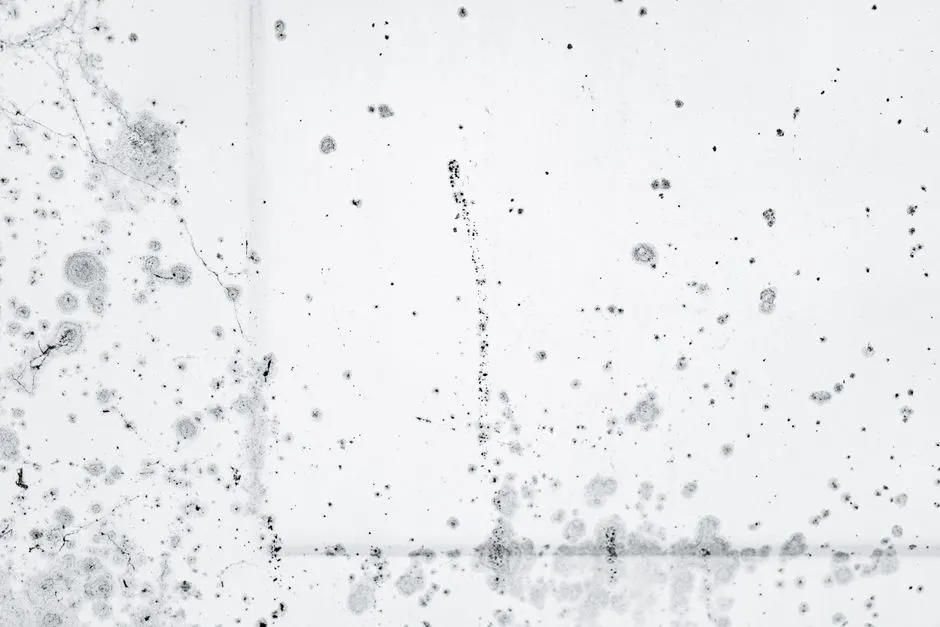
Your crawl space has mold after a water leak because the leak left moisture behind in a dark, humid, poorly ventilated space where mold spores can colonize within 24 to 48 hours. Once that moisture soaks into wood joists, insulation, and the soil beneath your home, it does not dry on its own - it keeps feeding the colony for weeks. This post explains exactly why that happens in Newhall homes, how fast it spreads, what removal costs in 2026, and how to stop it from coming back.
The Short Answer: Mold Needs Water, Warmth, and Time
Crawl space mold after a water leak is the predictable result of three conditions stacking up at once: a moisture source, a temperature range mold likes, and enough time without airflow to dry things out. Mold spores are already in every crawl space - they ride in on dust, soil, and outdoor air. They only need water to start growing.
When a supply line, drain pipe, or water heater in or near the crawl space leaks, that water does not evaporate the way it would in a living room. It pools on the vapor barrier, soaks into the soil, and wicks up into the wood framing. Relative humidity in a closed crawl space can sit above 80% for weeks. Mold thrives between 60°F and 80°F, which is exactly the temperature range of a Newhall crawl space year-round.
So the honest answer to why does my crawl space have mold after a water leak is: the leak stopped, but the moisture did not. Mold is the symptom. The wet crawl space is the disease.
Why Newhall Crawl Spaces Are Mold Magnets
Newhall sits in the Santa Clarita Valley, where summer heat pushes 100°F and winter nights drop into the 30s - a swing that drives condensation inside crawl spaces all year. Most homes here were built with vented crawl spaces, which seemed smart in the 1960s and 1970s. In practice, those vents pull in hot, humid air during the day and let it condense on cool pipes and joists at night.
Add a slab leak, a slow pinhole leak in copper, or a failed water heater pan drain, and you have a crawl space that stays damp for months. We see this constantly in the older single-story homes around Water Damage Restoration in Old Town Newhall, where original galvanized and copper lines are now 50 to 70 years old and prone to pinhole failures.
The soil under Newhall homes also matters. Much of the area sits on clay-heavy ground that drains slowly. When a leak soaks that soil, the moisture has nowhere to go. It just sits there, feeding mold and rotting subfloor framing from underneath.
How Fast Does Mold Grow After a Water Leak?
Mold growth after a water leak in a Newhall crawl space typically starts within 24 to 48 hours of the leak beginning, and visible colonies appear in 5 to 10 days if the space stays wet. That timeline is why the first 48 hours matter so much.
Here is how it usually plays out:
- 0-24 hours: Water spreads across the vapor barrier and soaks into wood. Mold spores begin to germinate.
- 24-48 hours: Active colonization starts on joists, subfloor, and insulation facing. Musty smell becomes noticeable in the house above.
- 3-7 days: Visible surface mold - often white, gray, or black speckling - appears on framing and insulation.
- 1-4 weeks: Mold penetrates wood fibers. Structural rot can begin in the subfloor and rim joists.
- 1-6 months: Wood rot becomes structural. Repairs shift from cleaning to replacing framing.
If you have already passed the two-week mark, assume the mold has rooted into the wood and needs professional remediation, not a bleach spray.
Signs You Have Crawl Space Mold After a Water Leak
Most homeowners do not see the mold first - they smell it. A persistent musty, earthy odor in the lowest rooms of the house is the number one signal that a crawl space water leak has turned into a mold problem.
Watch for these signs:
- A musty smell that gets stronger in summer and after rain
- Cupping, buckling, or squeaking hardwood floors above the crawl space
- Warped baseboards or paint peeling near the floor line
- Higher-than-normal allergy symptoms indoors - sneezing, itchy eyes, headaches
- Visible dark staining on joists, subfloor, or insulation when you look into the access hatch
- A spike in your water bill with no obvious cause
If you notice any of these alongside a known or suspected leak, treat it as active water leak restoration in Newhall, California - not a cosmetic issue. The longer the moisture sits, the deeper the mold roots.
What to Watch Out For (Common Mistakes)
The biggest mistake we see is homeowners spraying bleach on visible mold and calling it done. Bleach kills surface mold on non-porous materials, but it does not penetrate wood, and it adds moisture to an already wet crawl space. The colony comes back within weeks.
Other mistakes that make the problem worse:
- Running a household fan or dehumidifier in the crawl space without fixing the leak. You are pulling moisture out of the air while water keeps coming in. It never dries.
- Opening all the crawl space vents to "air it out." In Newhall, that pulls in hot, humid summer air that condenses on cool surfaces and adds moisture.
- Pulling out wet insulation and leaving the cavity open. Without a vapor barrier and proper drying, the wood stays damp and mold spreads to the framing.
- Assuming homeowners insurance will cover it. Most policies exclude mold unless it stems from a covered sudden event - and many cap mold coverage at $5,000 to $10,000.
- Ignoring the source. If you do not find and fix the actual leak, every remediation is temporary.
One more: do not send a shop vac into a crawl space with standing water near electrical junctions. Call a pro. We handle emergency water removal in Newhall, California for exactly this reason - it is fast, safe, and it stops the clock on mold growth.
How We Remove Mold From a Crawl Space After a Water Leak
Crawl space mold removal in Newhall starts with stopping the water, not spraying the mold. Our process runs in a fixed order because skipping steps is how mold comes back.
Step 1: Find and fix the leak
We trace the source - supply line, drain, water heater, irrigation stub, or slab leak - and repair it before anything else. No point drying a space that is still getting wet.
Step 2: Extract standing water and remove saturated materials
Standing water comes out with truck-mounted extraction. Saturated insulation, cardboard, and any unsalvageable debris go into sealed bags and out of the crawl space.
Step 3: Dry the structure
We set commercial dehumidifiers and air movers sized to the cubic footage of the crawl space. Typical dry-down runs 3 to 5 days. We monitor moisture content in the joists and subfloor with pin meters until readings match dry-standard baselines.
Step 4: Remove the mold
Surface mold on joists and subfloor gets HEPA-vacuumed, then treated with an EPA-registered antimicrobial. Porous materials with deep growth - insulation, badly rotted wood - are removed and replaced. Containment keeps spores from drifting into the living space above.
Step 5: Fix the moisture problem for good
This is where most DIY attempts fail. We install or repair the vapor barrier, seal gaps, and where it makes sense, encapsulate the crawl space to control humidity year-round. That is the difference between crawl space mold removal in Newhall, California that lasts and a job that comes back next spring.
When to Call a Professional
Call a professional when the mold covers more than about 10 square feet, when you can smell it inside the living space, when the wood framing shows rot or soft spots, or when you cannot find the source of the leak. Those four conditions put the job past what a homeowner can safely handle.
We also get called when someone has already tried bleach or a box fan and the mold returned. At that point the moisture problem was never solved - only the visible growth was knocked down. Our team at Water Damage Restoration Newhall handles the full chain: leak repair, water extraction, structural drying, mold remediation, and vapor barrier work. One crew, one scope, one point of contact. If you are in Water Damage Restoration in Newhall Heights or anywhere in the Santa Clarita Valley, we can usually be on-site the same day.
Frequently Asked Questions
Why does my crawl space have mold after a water leak in Newhall, California?
Because the leak left moisture trapped in a dark, humid space with no airflow. Newhall crawl spaces sit between 60°F and 80°F year-round, which is ideal for mold. Spores germinate within 24 to 48 hours and visible colonies appear in 5 to 10 days.
How much does crawl space mold removal cost in Newhall?
Typical 2026 pricing in Newhall runs $1,500 to $3,500 for small to moderate crawl space mold removal, and $4,000 to $9,000 or more when structural rot, insulation replacement, or full encapsulation is involved. Leak repair and structural drying are usually billed separately.
Who offers crawl space mold remediation in Newhall CA?
Water Damage Restoration Newhall handles crawl space mold remediation, leak repair, water extraction, and structural drying as one job. We are local to the Santa Clarita Valley and can be on-site the same day for active leaks.
Does homeowners insurance cover crawl space mold in Newhall, California?
Usually only if the mold resulted from a covered sudden event like a burst pipe. Long-term seepage and maintenance-related leaks are typically excluded. Most policies cap mold coverage between $5,000 and $10,000, so review your declarations page before filing.
Can I just spray bleach on the mold and close it up?
No. Bleach kills surface mold on non-porous surfaces but does not penetrate wood, and it adds moisture to the crawl space. If the leak is not fixed and the space is not dried, the mold returns within weeks.
Get Help With Water Damage Restoration in Newhall
If your crawl space smells musty or you have already spotted mold after a leak, the moisture is still there and the colony is still growing. We find the leak, dry the structure, remove the mold, and fix the moisture problem so it does not come back.
Call Water Damage Restoration Newhall at (833) 321-7153 for same-day crawl space inspection and a written price before we start.